As kids, our parents slathered us in a layer of zinc oxide every time we went to the beach. As teens, summer camp was marked by the scent of Coppertone and salt. And as we age, a well-formulated SPF becomes a preventive step in our skincare routine.
While sunscreen is a mainstay in our lives, most of us know very little about the light we’re trying to avoid. We know that UV rays can harm our skin, but that’s about it. And there’s a lot more at play than most of us realize.
UV Is Only Half the Battle
When it comes to sources of cell damage, the sun certainly plays a starring role. It emits two different kinds of ultraviolet rays: UVA and UVB. When a sunscreen is labelled “broad-spectrum,” that means it protects against both of these frequencies (as it should!).
- UVA causes damage on a longer timeline. It penetrates deep into the dermis, leading to premature signs of aging, wrinkles, and increasing long-term skin cancer risk.
- UVB acts more on the surface, AKA the epidermis. It’s the culprit behind sunburns and direct damage to your skin cells’ DNA (which causes most skin cancers).
Based on this information, the obvious answer is to stay out of the sun, which is not ideal (or recommended).
Plus, there’s another source of damage that’s rarely considered alongside UV: visible light. We’re constantly exposed to these wavelengths through screens, devices, and indoor bulbs, all of which put our skin under oxidative stress. These lower-energy photons slowly exacerbate issues like hyperpigmentation and melasma, and the same SPF you diligently use to protect against UV rays won’t do a single thing to stop them.
Blue Light vs. Visible Light
First, what is the difference between blue light and visible light? Visible light is the entire range of light that our eyes can see, which is about 400 to 700 nanometers. Literally, the full rainbow spectrum! Blue light is one segment of that spectrum, sitting around 400–500 nm, making it just one type of visible light.
Screens are Sapping Your Skin
You’ve probably heard about the disruptive properties of blue light from phones and laptops. But what does it actually do?
When this light makes contact with our skin, it generates free radicals that break down collagen and trigger the same melanin-producing response as sunlight. And while it’s less intensely damaging than UV rays, its effects compound those from sun exposure to create dullness, fine lines, and dark spots over time. In addition to skin fatigue, blue light messes with your circadian rhythm and suppresses melatonin production. Both of these effects can have a major impact on your ability to fall and stay asleep.
Your skin also does most of its repair work while you sleep, from turning over fresh cells to producing new collagen and replenishing your moisture barrier. So if you disrupt that cycle, your skin will look and feel as tired as the rest of your body!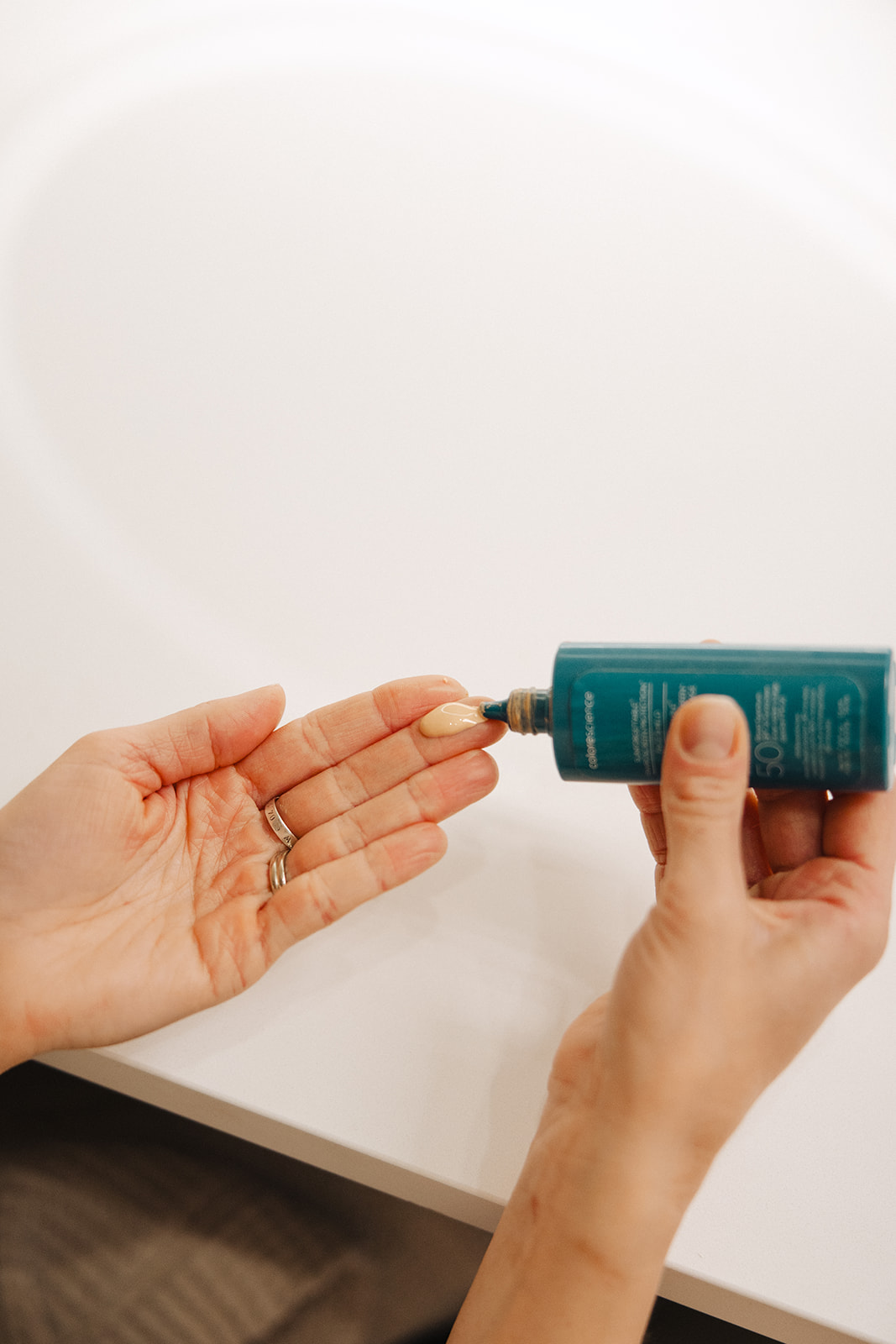
Tinted Sunscreen to the Rescue
Here’s a simple way to think about it: to shield your skin from visible light, you’ll need a visible shield. Tinted sunscreens contain iron oxides (tiny particles of pigment), creating an opaque veil that absorbs and scatters visible light away from the skin.
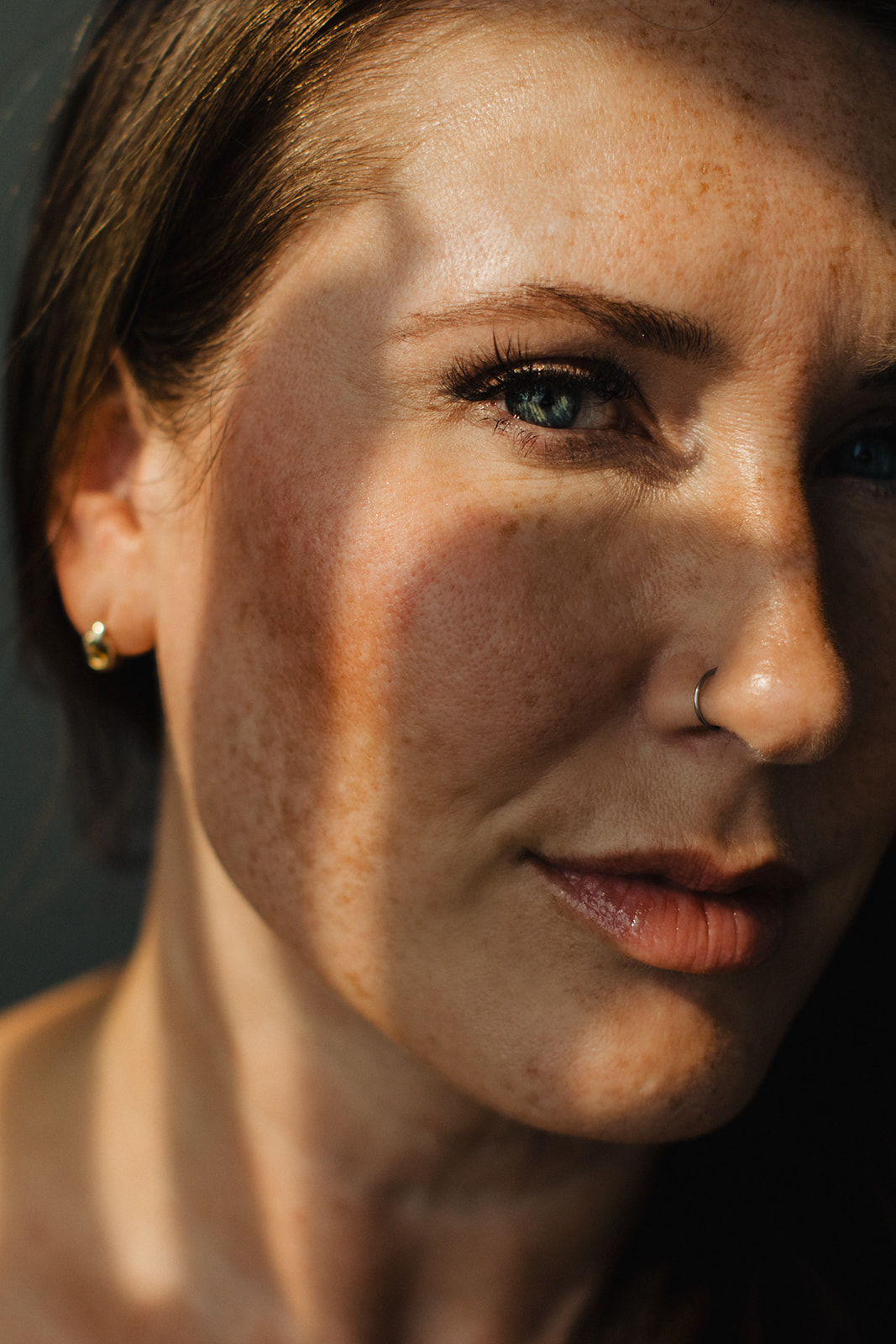
These formulas are particularly helpful for melasma and post-inflammatory hyperpigmentation, protecting against the blue light wavelengths that trigger melanin production. Clear sunscreens let that light pass right through their UV filters.
Outside Isn’t the Enemy
This seasonal shift has so many gifts to offer us. Namely, a glorious transition from indoor screen use to outdoor activities. If you’re feeling worried about summertime sun exposure, rest assured that the proper protection will set you free. Hiding indoors certainly isn’t the answer, because visible light will find you there anyway.
For truly worry-free SPFing, we recommend a tinted sunscreen with zinc oxide for broad-spectrum defense against every type of light that comes your way. ColoreScience Sunforgettable Total Protection Face Shield Flex SPF 50 is one of our favourites because it’s lightweight and easy for reapplication.
If you aren’t sure what’s right for you, contact one of our skincare specialists and we’ll get you on a custom plan and program for sun-ready skin.

Marissa is the clinic founder and owner of Onyx Beauty Lab, known for her exceptional and discerning eye. She’s an aesthetic educator for Clarion Medical Technologies, founder of MAIA training program, and on the board of directors for CSASN.