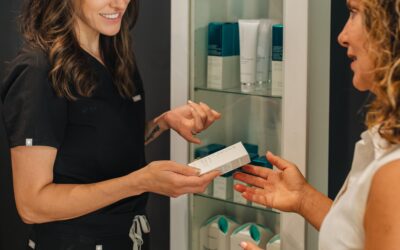
Sun protection isn’t just about grabbing the first SPF bottle you see. At our Kelowna medical spa, we help clients figure out what works for their skin and their lifestyle—because let’s be honest, not all sunscreens are created equal.
Why SPF Matters and How to Choose the Right One
SPF tells you how well a sunscreen protects from UVB rays—the ones that cause burning and contribute to skin cancer. We always suggest at least SPF 30 for decent coverage. SPF 30 blocks about 97% of UVB rays, SPF 50 bumps that up to roughly 98%. Sure, it doesn’t sound like a big jump, but if you’re outdoors for hours in Kelowna’s summer, that extra bit helps. Just remember, no sunscreen blocks everything, so you’ll still need to reapply every couple of hours, especially if you’re sweating or swimming.
Most folks don’t use enough sunscreen—usually only a quarter to half the recommended amount. So, if you’re not the most diligent, picking SPF 50 instead of 30 can help cover your bases.
Understanding UVA, UVB, and Broad-Spectrum Defence
UVB rays burn, UVA rays age—simple way to remember it. But both can damage your skin and up your cancer risk. Broad-spectrum sunscreens cover you for both. It’s important to check the label, because SPF only measures UVB protection. “Broad spectrum” is what you want to see. Mineral sunscreens (zinc oxide or titanium dioxide) physically block both UVA and UVB, while tinted SPFs also protect you from visible light chemical types absorb the rays instead – think avobenzone or octocrylene. Both work, but if you’ve got sensitive skin, mineral’s probably the best way to go.
Daily Sun Protection: Sunscreen, Clothing, and More
Sunscreen’s just one piece of the puzzle. Use a nickel-sized amount for your face, and at least an ounce (or a shot glass) for your body. Don’t forget easy-to-miss spots: ears, back of neck, hands, feet. You’d be surprised how often those get burned. Clothing is underrated—wide-brimmed hats, UV sunglasses, lightweight long sleeves. Try to avoid direct sun between 10 AM and 4 PM, or at least stick to the shade when you can. And yes, reapply! Even the water-resistant stuff wears off. We suggest setting a phone reminder every two hours if you’re out and about for the day. It’s easy to forget otherwise.
Sunscreen Tips for Active and Sensitive Skin
If you’re active, look for water-resistant formulas—either 40 or 80 minutes is the usual rating. Sport sunscreens tend to stick better through sweat and movement. Apply 15-30 minutes before heading out, so it’s got time to bind to your skin. For sensitive types, mineral-based, fragrance-free sunscreens are usually safest. Check for “hypoallergenic” and “non-comedogenic” on the label. Extras like niacinamide or ceramides can help soothe and protect, too. Always patch test a new sunscreen on a small area first. If you react, switch to a simpler mineral formula. In our experience, titanium dioxide is especially gentle for reactive skin.
Advanced Medical Spa Solutions and Year-Round Skin Health
Getting your skin ready for Kelowna’s intense summer sun takes more than just slapping on sunscreen. Strategic treatments can really boost your skin’s defenses and give you that healthy, natural radiance. Our medical spa offers evidence-based services that actually complement your sun protection routine and help you keep your skin glowing all season long.
Medical Aesthetic Treatments Before Summer
We always recommend booking certain treatments well before summer’s peak. Chemical peels are best done 2-4 weeks ahead of time since your skin needs to heal and will be extra sensitive to the sun right after. These peels remove damaged cells and spark fresh turnover, so you’re starting summer with your best skin forward. Microneedling is another key treatment, but again, timing matters—finish your sessions at least 4-6 weeks before you’ll be outside a lot. This process triggers collagen production and improves texture, but your skin will be more vulnerable to UV at first.
We also offer targeted solutions to treat sun damage from past years – think hyperpigmentation, uneven tone, rough patches. Getting ahead of these issues before summer means you’ll be better protected against new damage and feel more confident in your skin.
Laser Hair Removal for Smooth Confidence
Laser hair is a game changer if you want to skip shaving and waxing, especially since those can irritate skin that’s already getting lots of sun. It’s best to start treatments in the cooler months, since lasers work best on untanned skin. Most people need 6-8 sessions, spaced every 4-6 weeks, for the best results. If you start in late winter or early spring, you’ll be set for the beach season. Bonus: fewer ingrown hairs and razor bumps, which nobody wants showing up when they’re in a swimsuit. After laser sessions, you’ll need to be extra careful with sun protection for at least two weeks. So, don’t leave it to the last minute—early planning is definitely your friend here.
Skin Rejuvenation Services for Your Summer Glow
At our medical spa, we’re all about helping you enjoy that summer glow—but not at the expense of your skin’s health. We customize our facial treatments with medical-grade products, packed with antioxidants and peptides, to help fight off that free radical damage you get from UV exposure (honestly, who wants to deal with that?). Hydrating treatments are a big deal for keeping your skin barrier happy, especially when you’re spending more time outside. We usually suggest monthly maintenance facials during the summer. The focus? Soothing, repairing, and protecting—definitely not aggressive exfoliation (let’s save that for another season, maybe?). After sun exposure, we offer calming treatments to help with inflammation and dehydration. These sessions are a game changer for keeping your complexion fresh and healthy, while also helping prevent the kind of long-term damage that sneaks up on you and leads to premature aging. Summer skin, but make it smart.

Marissa is the clinic founder and owner, known for her exceptional and discerning eye. She’s an aesthetic educator for Clarion Medical Technologies, founder of MAIA training program, and on the board of directors for CSASN.