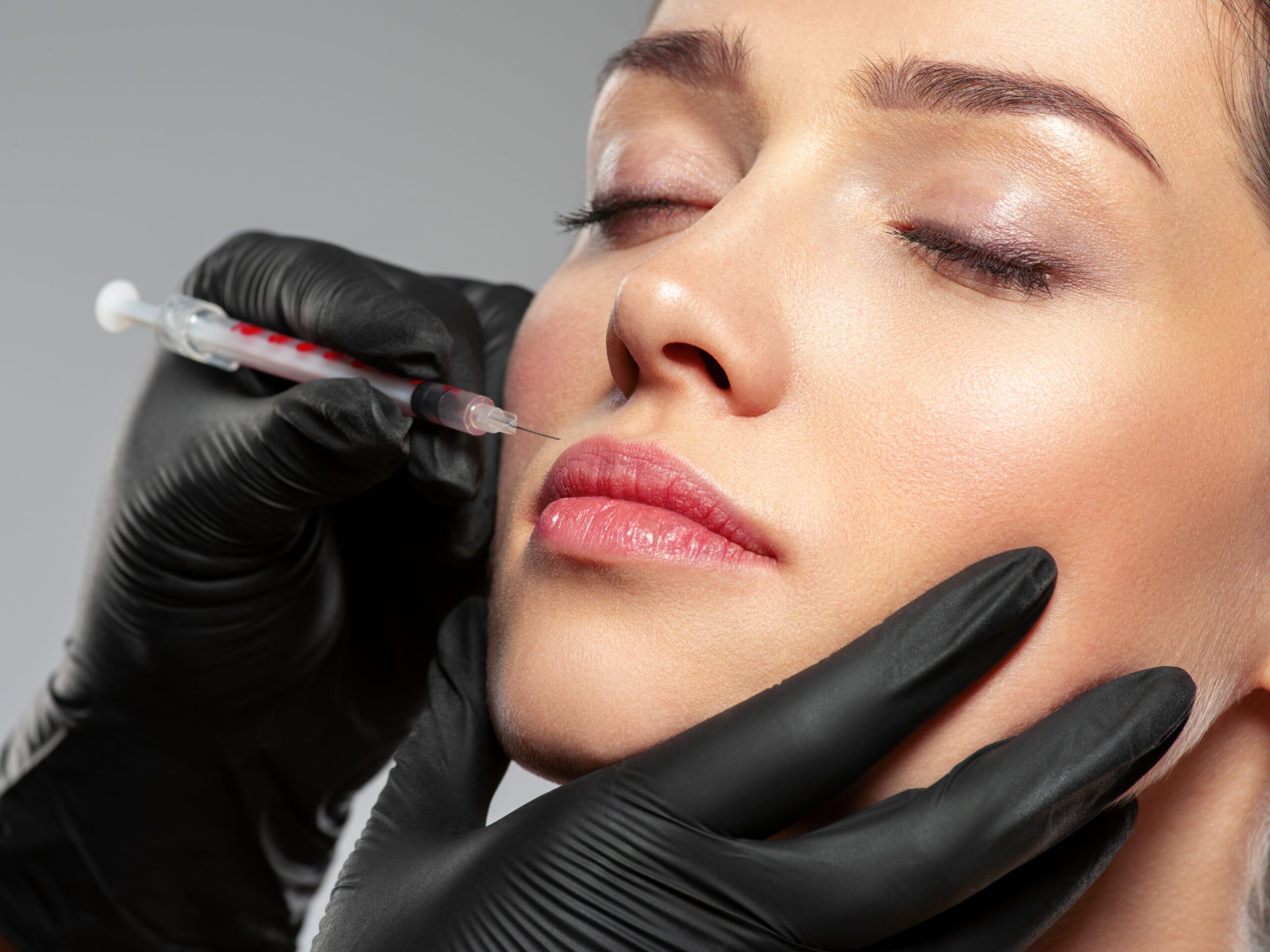
Botox has become a go-to treatment for those looking to turn back the clock on their skin. Whether it’s crow’s feet, forehead lines, or frown lines, Botox promises to smooth away the visible signs of aging. But how exactly does this popular injection work? If you’re curious about the science behind it or wondering what to expect during a Botox session, you’ve come to the right place. Let’s break it down and discover everything you need to know about Botox, its effects, and its benefits.
The Science of Botox: How It Relaxes Muscles to Eliminate Wrinkles
Botox is derived from a neurotoxin that temporarily blocks nerve signals in muscles. When injected into the skin, it interrupts the communication between the nerves and the muscle, causing the muscle to relax. This relaxation stops the muscles from contracting as intensely, which in turn smooths out the wrinkles and fine lines that form when muscles tighten. The process is straightforward: the toxin targets the tiny muscle contractions that cause wrinkles, particularly in areas where skin is thin and sensitive, like around the eyes and forehead.
By preventing these repeated contractions, Botox effectively softens wrinkles without affecting the rest of the face. It’s important to note that Botox doesn’t freeze the face; it simply relaxes the muscles that are responsible for causing those unwanted creases. This means you can still make facial expressions, just without the deep lines that typically form as you move your face. With each treatment, Botox helps keep your skin looking refreshed, smooth, and youthful.
Fine Lines vs. Deep Wrinkles: Which Facial Creases Can Botox Treat?
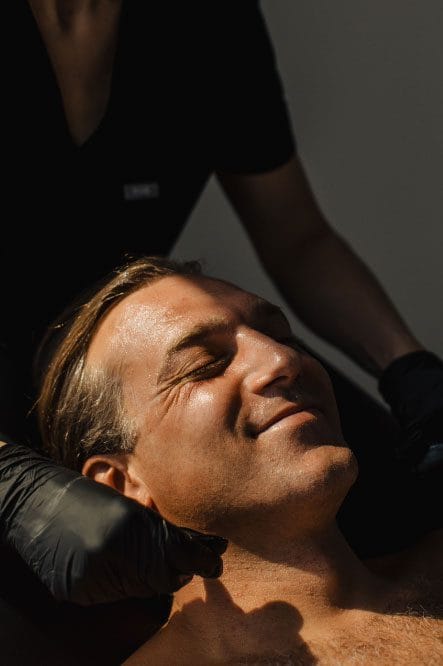
Botox is particularly effective for treating fine lines and moderate wrinkles that appear due to muscle movement. These creases, such as crow’s feet, frown lines, and forehead lines, are typically the result of repetitive facial expressions over time. Since Botox works by relaxing muscles, it can be highly effective in smoothing these types of wrinkles, which often develop from things like smiling, squinting, or furrowing your brows.
However, Botox is not as effective on deep, static wrinkles—those that are present even when the face is at rest. These more stubborn wrinkles are often caused by a combination of aging skin and the loss of collagen. In such cases, Botox may help temporarily soften their appearance, but additional treatments like dermal fillers could be needed to fully address the depth of these wrinkles. Botox works best when it targets muscle-related wrinkles, giving you that smooth, rejuvenated look without the need for invasive procedures.
What to Expect During Your Treatment: The Quick and Painless Procedure
When you walk into a Botox appointment, don’t expect to be in the chair for long. The procedure itself is quick, typically taking only about 10 to 15 minutes. A trained professional will inject small amounts of Botox into specific muscles in your face. Although some people worry about pain, the process is surprisingly tolerable. Most patients only experience a slight pinching or stinging sensation at the injection sites, but it’s brief and not typically uncomfortable.
After the treatment, you can immediately return to your normal activities. Botox doesn’t require any downtime, so there’s no need for rest or recovery. However, it’s recommended to avoid rubbing the treated area or lying down for a few hours after your appointment to prevent the Botox from spreading to unintended areas. With such minimal disruption to your day, Botox makes it easy to achieve a refreshed look with little hassle.
How Long Does It Take to See Results After Getting Botox?
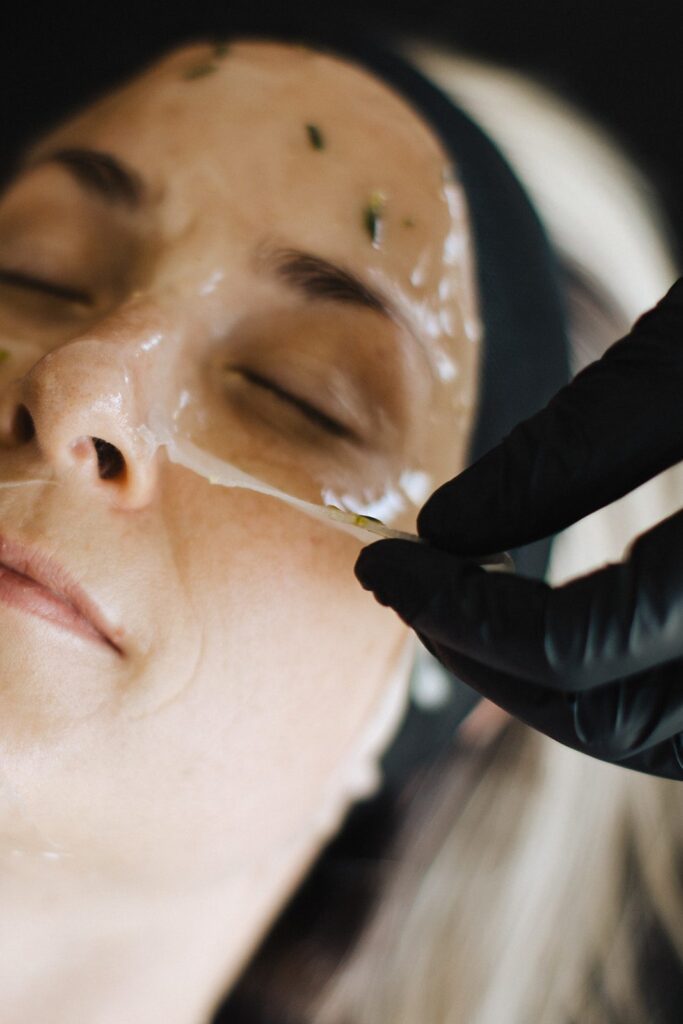
One of the most common questions about Botox is how long it takes to see results. Typically, most people start to notice a difference within 3 to 5 days after the treatment. The full effects may take up to 10 days to fully develop. During this time, the muscles in the treated area continue to relax, gradually smoothing out the wrinkles. If you’re looking for a more immediate improvement, keep in mind that Botox works slowly and steadily to reveal a smoother complexion.
While the results aren’t instant, many patients are thrilled with how quickly they start to notice improvements in their appearance. As Botox starts to take effect, fine lines will soften and become less noticeable. The more regularly you receive Botox, the more natural and sustained the results can be, allowing you to maintain that youthful look with each session.
Safety and Side Effects: Understanding the Risks of Neurotoxin Injections
Like any medical treatment, Botox comes with some risks. The most common side effects are minor and include redness, swelling, or bruising at the injection sites. These typically resolve within a few hours to a day. Rarely, Botox can cause more serious side effects like drooping eyelids or uneven results, but these are usually temporary and resolve on their own after the effects of the Botox wear off.
To minimize the risks, it’s crucial to choose a licensed, experienced provider. A professional injector will know exactly where to place the Botox and how much to use, ensuring you achieve the desired results without any complications. While Botox is generally considered safe, it’s important to follow post-treatment instructions and avoid activities that could disrupt the effects, such as vigorous exercise or lying flat for several hours after your session.
Preventing New Wrinkles: How Preventive Botox Maintains Youthful Skin
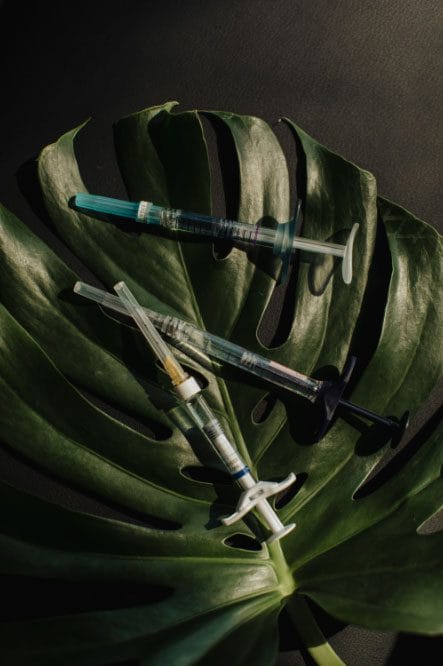
Botox isn’t just for those looking to treat existing wrinkles—it can also be used as a preventive measure. More people, especially in their late 20s or early 30s, are opting for Botox to prevent wrinkles before they even form. By relaxing the muscles responsible for causing lines, preventive Botox helps maintain a smooth, youthful appearance while avoiding the deep creases that often appear as you age.
Using Botox in your earlier years can slow the development of new wrinkles by reducing the muscle activity that leads to them. Many patients who start Botox treatments in their 30s report that they age more gracefully, with fewer noticeable wrinkles as they get older. Preventive Botox doesn’t just freeze your face—it actively helps preserve your skin’s youthful elasticity and smoothness.
How Long Do the Effects Last and How Often Should You Get Touch-Ups?
After your Botox treatment, you can expect the effects to last anywhere from 3 to 6 months, depending on factors like your age, muscle strength, and the area treated. As the Botox wears off, the muscles gradually regain their ability to contract, and wrinkles may begin to reappear. To maintain your results, many patients schedule touch-up appointments every few months.
If you’ve been using Botox for a while, you may notice that the effects start to last longer with each session. This is because the muscles become accustomed to being relaxed, and the need for frequent treatments may decrease over time. However, it’s important to keep up with regular touch-ups to ensure the longevity of your results and continue enjoying smoother, wrinkle-free skin.
Achieve Radiant, Youthful Skin at Onyx Beauty Clinic – Your Expert Botox Destination
At Onyx Beauty Clinic, we are committed to delivering the highest standard of Botox treatments to help you achieve smoother, younger-looking skin. Whether you’re looking to treat existing wrinkles or prevent new ones from forming, our expert team will guide you through a personalized treatment plan that caters to your unique needs. We understand that every face is different, which is why our Botox treatments are tailored to help you look and feel your best.
Contact us today to schedule your consultation and learn more about how Botox can help you enhance your natural beauty. Let Onyx Beauty Clinic help you look as youthful as you feel with safe, effective treatments that fit seamlessly into your lifestyle.
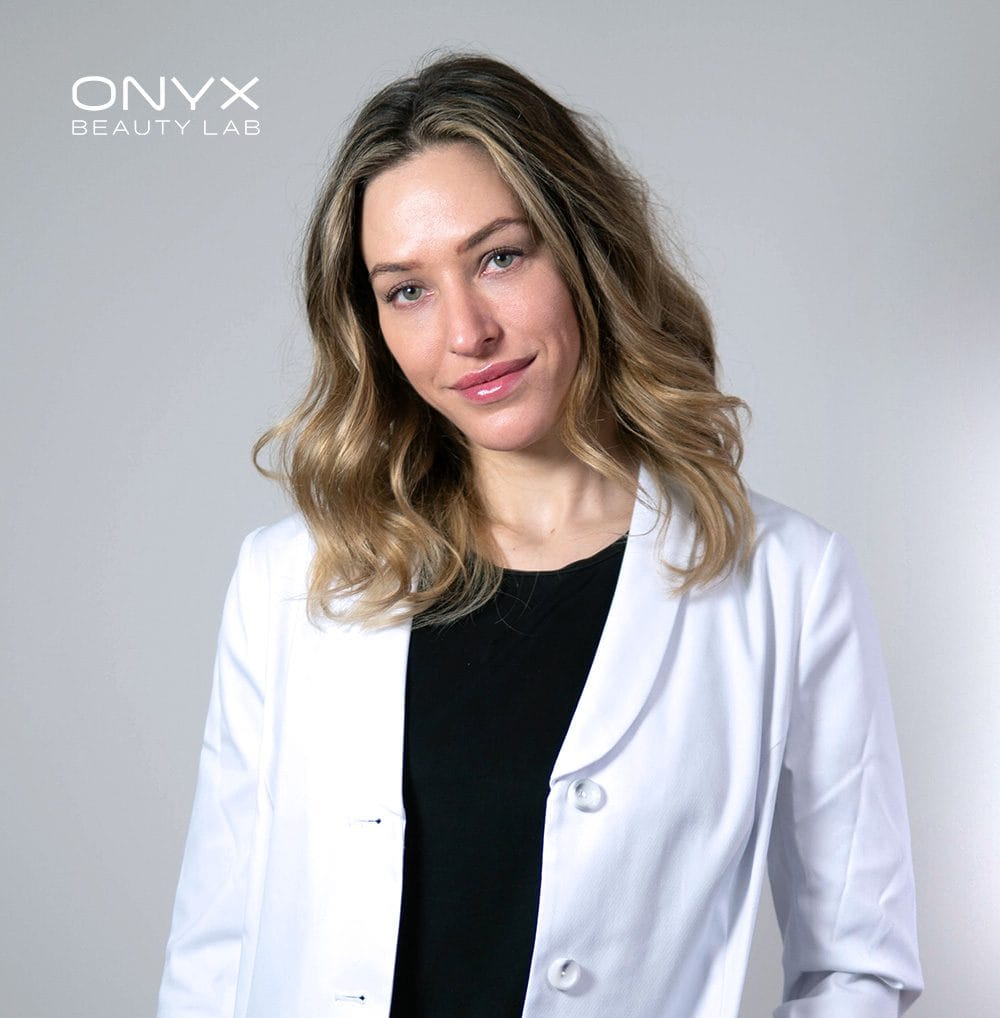
Marissa is the clinic founder and owner of Onyx Beauty Lab, known for her exceptional and discerning eye. She’s an aesthetic educator for Clarion Medical Technologies, founder of MAIA training program, and on the board of directors for CSASN.