UV radiation can mess with your skin cells in a couple of ways – it directly alters DNA and causes oxidative stress, and the different wavelengths reach different depths in your skin. The more you’re exposed, especially if you get a bad sunburn (think childhood and teenage years), the higher your risk of melanoma and other skin cancers. It adds up, honestly.
How UV Radiation Affects the Skin
Ultraviolet rays get into your skin and start damaging DNA at a cellular level. UVB rays mostly hit the outer layer, the epidermis, while UVA rays go even deeper into the dermis – that’s where your blood vessels and nerve endings live. It’s not great. Your skin tries to fight back by getting inflamed and making more melanin, which is its way of defending itself. Still, this isn’t enough to really protect you from the long-term effects of too much UV exposure. Repeated hits from the sun build up over time, and eventually, those damaged skin cells can mutate and turn cancerous. And it’s not just cancer – sun damage shows up in other ways, too. Fine lines, weird pigmentation, and your skin just feeling weaker are all signs you’ve spent too much time in the sun without protection. As the years go by, your skin’s ability to fix itself gets worse after each round of UV damage. Not exactly what anyone wants.
Types of UV Rays and Their Impact
There are three types of ultraviolet rays that actually reach us, and they don’t all act the same way on your skin:
- UVA Rays make up about 95% of the UV radiation that hits your skin. These rays go deep and cause long-term problems all year, even when it’s cloudy or you’re inside by a window. They’re a big reason for premature aging and, yeah, they’re involved in some skin cancers too.
- UVB Rays are stronger than UVA and go after your DNA right in the skin’s surface layers. These are the rays that leave you burnt and are the main culprit behind most skin cancers. How strong they are depends on things like time of year, where you are, and what time it is.
- UVC Rays don’t usually make it to us – the ozone layer blocks them, so you don’t have to worry about those under normal conditions.
Both UVA and UVB add to your risk for skin cancer. The National Cancer Institute actually lists these types of UV as known human carcinogens, so it’s not just a rumor.
Connection Between Sunburn, Melanoma, and Other Skin Cancers
If you’ve ever had a sunburn, that’s your skin telling you it’s taken a real hit – that’s severe DNA damage right there. Every sunburn bumps up your lifetime risk of skin cancer, especially melanoma. Studies say that if you get five or more blistering sunburns between 15 and 20, your risk of melanoma jumps by 80%. But here’s the kicker: melanoma can still show up even if you never had a dramatic sunburn, since just being out in the sun a lot over time also counts. Squamous cell carcinoma is more about long-term, chronic sun exposure than one-off burns. You’ll usually see it on spots that get a lot of sun, like your face, ears, and hands. Basal cell carcinoma is kind of the same – it tends to show up where your skin’s taken years of UV hits. It can take decades for skin cancer to develop after the damage is done. So the sunburns you got as a kid? They might not come back to haunt you until your 50s or 60s.
Skin Cancer Risk Factors
When it comes to skin cancer, your risk isn’t just about how much sun you get. Genetics and your skin type matter a lot too. If you have fair skin with less melanin, you’re just naturally more vulnerable to UV rays – there’s not much built-in protection there, honestly, so every bit of sun counts a little more. If you’ve got over 50 moles, or some of them look a bit odd, your risk for melanoma goes up. And let’s be real, if you or someone in your family has had skin cancer before, that’s a pretty big red flag. Add in a history of radiation therapy or if your immune system is suppressed for any reason, and the odds aren’t exactly in your favor.
People who work outdoors – think construction, farming, landscaping – rack up a lot of sun time whether they want to or not. The National Cancer Institute actually points out that all that workplace UV exposure really does contribute to higher skin cancer rates.
Where you live can make a surprising difference, too. Folks closer to the equator or up in the mountains get hit with stronger UV rays. And if you’re around water, sand, or snow, those surfaces bounce the rays right back at you, sometimes boosting your exposure by as much as 80%. That’s wild when you think about it.
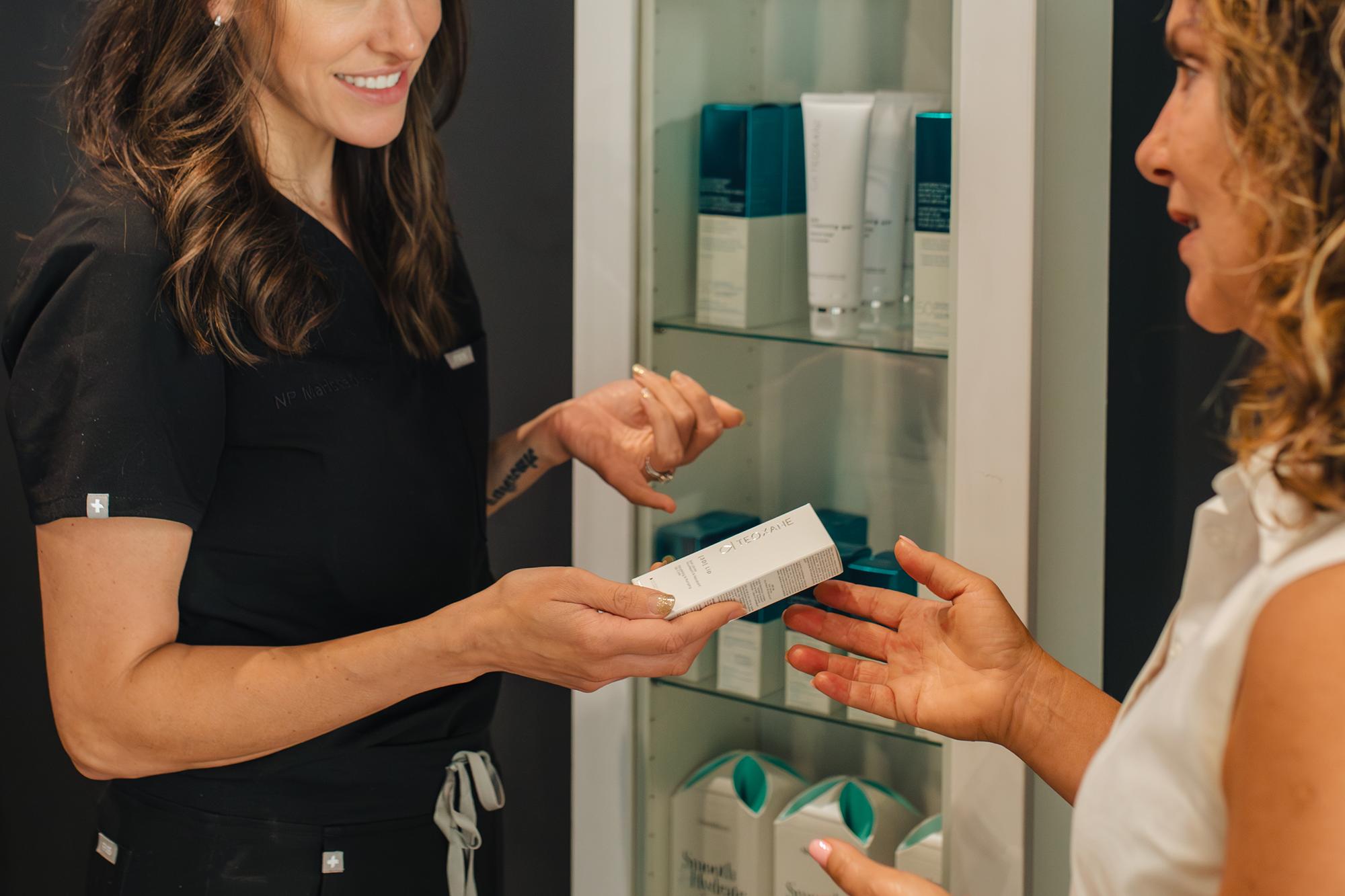
At ONYX Beauty Lab, we take a close look at your skin concerns like sun damage, hyperpigmentation, and issues with your skin barrier. Our professional treatments don’t just target the damage you’ve already got – they’re designed to help your skin stand up better to UV rays in the future. Prevention is half the battle.

Marissa is the clinic founder and owner, known for her exceptional and discerning eye. She’s an aesthetic educator for Clarion Medical Technologies, founder of MAIA training program, and on the board of directors for CSASN.