Understanding Microneedling and Its Mechanisms
Microneedling, also known as collagen induction therapy, works by creating controlled micro-injuries in your skin that activate natural healing processes to stimulate collagen production and elastin production. The depth of needle penetration determines which skin layers are treated and what results you can expect from your microneedling treatment.
How Controlled Micro-Injuries Trigger Collagen Induction
When tiny needles penetrate your skin during treatment, they create controlled micro-injuries that initiate your body’s wound healing response. This process occurs in three distinct phases that work together to improve skin texture and appearance.
The inflammatory phase begins immediately after treatment as your body releases growth factors and increases blood flow to the treated area. Your skin recognizes these micro-injuries as damage requiring repair, which triggers the release of proteins and cytokines that coordinate the healing response.
The proliferation phase follows within days as fibroblasts multiply and begin producing new collagen and elastin fibers. This phase typically lasts several weeks and represents the period when your skin actively builds new structural proteins. Your skin cell turnover accelerates during this time, replacing damaged cells with fresh tissue.
The remodeling phase can continue for months after your treatment as newly formed collagen matures and reorganizes. This extended timeline explains why you may see continued improvements in skin texture weeks or months following your microneedling session. The non-fibrotic skin remodeling that occurs during this phase creates smoother, firmer skin without scar tissue formation.
Anatomy of the Skin and Targeted Layers
Your skin consists of multiple layers, each playing a specific role in the microneedling process. The epidermis serves as the outermost protective barrier, typically measuring 0.05 to 1.5 millimeters thick depending on body location.
Below the epidermis lies the dermis, which contains collagen and elastin fibers responsible for skin strength and elasticity. The dermis extends 1 to 4 millimeters deep and houses blood vessels, nerve endings, and the structures that give your skin its firmness. Most collagen induction occurs in this layer.
Needle depth determines which layers receive treatment and what outcomes you can achieve. Shallow penetration of 0.5 millimeters primarily affects the epidermis and papillary dermis, addressing superficial concerns like mild texture issues. Deeper needle penetration of 1.5 to 2.5 millimeters reaches the reticular dermis where significant collagen remodeling occurs for more substantial improvements.
Differences Between Medical and Cosmetic Microneedling
Medical microneedling differs significantly from cosmetic or traditional microneedling in both depth and clinical oversight. Medical-grade treatments performed in clinical settings typically use needle depths between 1.5 and 3 millimeters to address specific dermatological concerns.
Medical Microneedling uses professional devices operated by trained healthcare providers who can safely penetrate deeper skin layers. These treatments target conditions like acne scars, deep wrinkles, and significant texture irregularities. The controlled environment and medical expertise allow for more aggressive collagen induction with appropriate safety protocols.
Cosmetic Microneedling involves shallower needle penetration, usually under 0.5 millimeters, and focuses on general skin maintenance. At-home devices fall into this category and provide modest improvements in skin appearance without reaching the dermal layers where significant collagen production occurs.
The distinction matters because deeper medical microneedling produces more substantial collagen induction and skin remodeling but requires professional administration to minimize risks and ensure proper technique.
Clinic Procedures, Patient Experience, and Safety Considerations
Medical microneedling follows specific protocols designed to ensure safety and effectiveness. Understanding what happens during consultation, treatment, recovery, and who should avoid the procedure helps you prepare appropriately and set realistic expectations.
New Patient Consultation and Skin Assessment
Your first appointment begins with a detailed skin assessment by a qualified provider, typically a dermatologist or trained aesthetic professional. They examine your skin to identify specific concerns such as acne scars, fine lines, pigmentation issues, or texture irregularities.
During this consultation, your provider reviews your medical history and current medications. They evaluate whether microneedling is appropriate for your skin type and concerns. The assessment includes determining optimal treatment depth based on your indication—longer needle lengths of 1.5 to 2.0 mm for scars, while 0.5 to 1.0 mm works better for aging skin and fine lines.
Your provider also discusses realistic outcomes and creates a treatment plan. They explain treatment parameters specific to your needs, including the number of sessions recommended and spacing between appointments. This consultation is when you should mention any active skin conditions, recent cosmetic procedures, or concerns about post-inflammatory hyperpigmentation.
The Microneedling Session Step-by-Step
Before microneedling begins, your provider applies topical anesthetic cream containing lidocaine and prilocaine to the treatment area. This remains covered for 15 to 45 minutes to ensure comfort during the procedure. After removing the anesthetic with saline, an antiseptic solution is applied.
The actual treatment takes approximately 15 to 20 minutes for full facial treatment. Your provider stretches your skin with one hand while using the microneedling device with the other, moving in perpendicular directions. The device passes over each area multiple times in horizontal, vertical, and oblique patterns.
Treatment endpoint indicators include:
- Uniform pinpoint bleeding across treated areas
- Even erythema (redness)
- Slight tissue edema
Once the endpoint is reached, saline pads are applied to the treated areas. Many providers apply serums containing vitamins A and C immediately post-treatment to enhance the regenerative process and improve clinical outcomes.
Downtime, Aftercare, and Managing Side Effects
You can expect minimal downtime following microneedling. Most patients experience erythema, mild edema, and some exfoliative scaling lasting 2 to 3 days. These are normal responses, not complications.
In the hours immediately following treatment, some serous drainage may occur as part of early wound healing. Damp gauze effectively collects this excess fluid. You can resume normal daily activities the next day with specific precautions.
Essential aftercare requirements:
- Wear broad-spectrum sunscreen with regular reapplication
- Avoid direct sun exposure for at least one week
- Skip harsh chemicals and active skincare products temporarily
- Discontinue retinoids, AHAs, and BHAs for several days
Minor swelling and bruising occasionally occur but typically resolve quickly. The risk of post-inflammatory hyperpigmentation (PIH) exists but remains significantly lower than with laser treatments or deep chemical peels. Final results develop gradually as neocollagenesis continues for approximately 3 to 6 months following treatment. Sessions can be repeated after a minimum of 3 weeks.
Contraindications and Infection Risk at a Medical Clinic
Medical clinics maintain strict protocols to minimize infection risk, but certain conditions make you ineligible for treatment. Active acne, particularly inflammatory lesions, represents a contraindication because microneedling can spread bacteria and worsen breakouts.
Absolute contraindications include:
- Active herpes labialis or localized infections in the treatment area
- Moderate to severe chronic skin diseases (eczema, psoriasis)
- Extreme keloidal tendencies
- Current immunosuppression or chemotherapy
- Active warts in the treatment zone
Relative precautions apply if you recently received botulinum toxin injections near the proposed treatment site, as microneedling may cause unwanted toxin diffusion. Your provider should wait appropriate intervals between these procedures.
Infection risk in properly managed medical settings remains extremely low. Reputable dermatology and aesthetics clinics use sterile, disposable needles and follow rigorous sanitation protocols. However, superficial infections like impetigo can occur if aftercare instructions aren’t followed. Reactivation of herpes simplex is possible in patients with history of cold sores, which is why disclosure during consultation is critical.
Enhancing Outcomes: Indications, Advanced Techniques, and Combination Therapies
Microneedling addresses multiple skin concerns through controlled micro-injuries that trigger collagen remodeling and skin renewal. Advances in technology and combination approaches have expanded treatment possibilities beyond basic skin rejuvenation.
Treatable Skin Conditions and Expected Results
Microneedling effectively treats acne scarring, particularly atrophic acne scars that create depressions in your skin. The procedure stimulates collagen production in scarred tissue, gradually elevating depressed areas and improving skin texture.
For pigmentation disorders, microneedling can address hyperpigmentation, uneven skin tone, and melasma when combined with appropriate topical agents. The treatment creates channels that enhance product absorption while promoting cellular turnover.
Fine lines and wrinkles respond well to microneedling as the controlled injury triggers your skin’s natural healing response. This process increases skin elasticity and reduces the appearance of aging signs through sustained collagen remodeling.
Additional treatable conditions include:
- Enlarged pores – collagen production around follicles tightens surrounding tissue
- Stretch marks (striae) – stimulation promotes new collagen formation in affected areas
- Surgical scars – remodeling breaks down rigid scar tissue
- Androgenetic alopecia – when combined with minoxidil or PRP, promotes hair regrowth
Clinical evidence demonstrates measurable improvements across these conditions, though results vary based on severity and individual healing responses.
Microneedling Devices, Techniques, and RF Innovations
Automated microneedling devices like the Dermapen offer precise control over needle depth and speed. These devices create consistent microchannels while minimizing discomfort and treatment time compared to manual options.
The dermaroller, a manual device with needles mounted on a rolling cylinder, provides a more economical option. However, it offers less precision in depth control and may create angled punctures rather than vertical channels.
RF microneedling represents a significant advancement by combining traditional microneedling with radiofrequency energy. This technique delivers heat through the needles into deeper skin layers, enhancing collagen production and providing superior skin tightening effects. The addition of radiofrequency improves both safety and efficacy for treating laxity and deeper wrinkles.
Treatment parameters vary based on the condition being addressed, with needle depths ranging from 0.5mm for superficial concerns to 2.5mm for deep scarring.
Role of PRP, Topicals, and Combination Approaches
Platelet-rich plasma (PRP) applied during or immediately after microneedling enhances healing and results. This combination, sometimes called the “vampire facial,” uses growth factors from your own blood to accelerate tissue repair and collagen synthesis. Clinical studies show improved outcomes when PRP is added to standard microneedling protocols.
Combination therapies pair microneedling with complementary treatments for synergistic benefits. Common pairings include chemical peels for enhanced exfoliation and pigmentation control, though timing between treatments requires careful planning to avoid complications.
For hair restoration in alopecia cases, microneedling combined with minoxidil application demonstrates superior hair regrowth compared to topical treatment alone. The microchannels enhance drug penetration into the scalp.
Other topical agents benefit from microneedling’s enhanced absorption properties, including growth factors, hyaluronic acid, and vitamin C formulations. Your provider selects specific combinations based on your treatment goals and skin assessment.
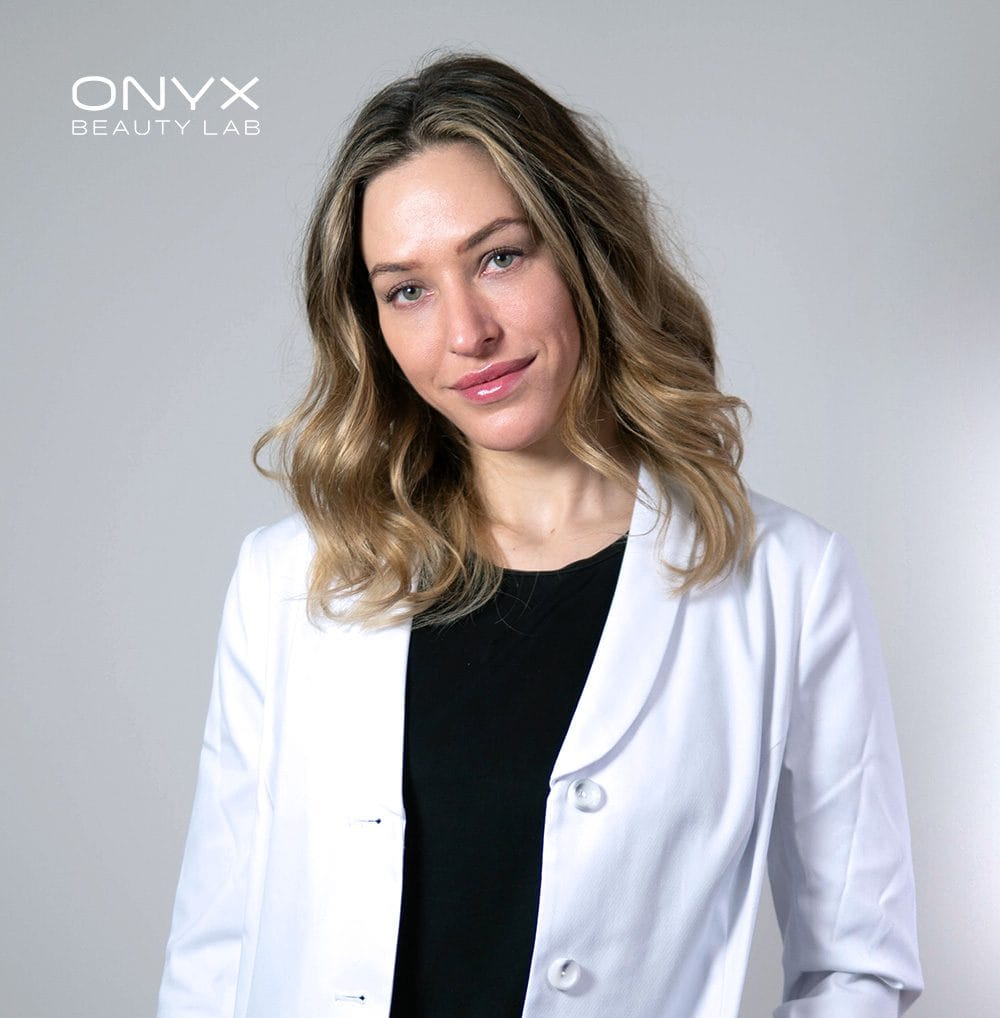
Marissa is the clinic founder and owner, known for her exceptional and discerning eye. She’s an aesthetic educator for Clarion Medical Technologies, founder of MAIA training program, and on the board of directors for CSASN.